
Field Interface Devices

Connect, Convert, and Consolidate Tank Data

Remote Terminal Units (RTUs), DAQs, protocol converters, and field interface devices form the backbone of modern tank-gauging systems. They sit between field instruments and host systems, collecting level, temperature, alarm, and status data from radar, servo, float & tape, and discrete safety devices, next converting, buffering, and securely transmitting that information using the protocols your facility standardizes on.
In practical terms, these devices transform individual tank instruments into a coordinated system. A single RTU can aggregate data from dozens or even hundreds of tanks, normalize it, and publish it upstream over Ethernet, serial, or fieldbus networks. This approach reduces wiring complexity, improves reliability, and enables centralized inventory, alarm management, and control without forcing a complete rip-and-replace of existing equipment.
In tank farms, terminals, pipelines, and refineries, field interface devices enable phased modernization, allowing new digital instruments and analytics to coexist with legacy gauge interfaces while maintaining operational continuity.
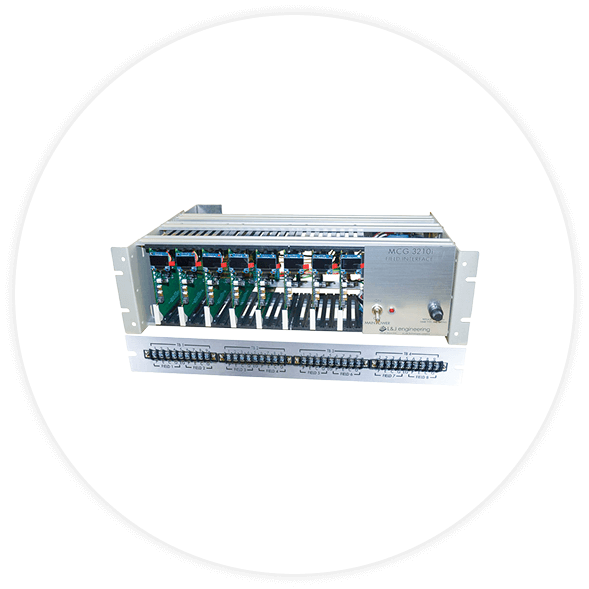
MCG 3210i — Intelligent Field Interface Card Rack

MCG 3210i — Intelligent Field Interface Card Rack

Choose the MCG 3210i to power, isolate, and manage large groups of L&J field devices, improving data security, surge protection, and system reliability across multiple tank fields.
MCG 3221

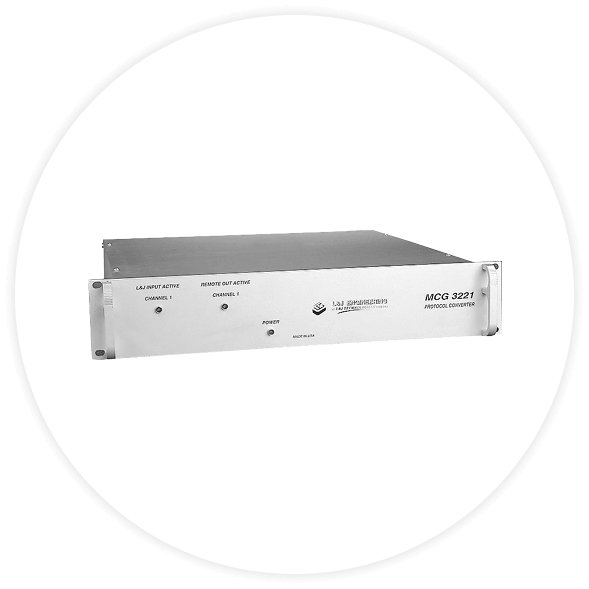
MCG 3221 – Protocol Converter

Choose the MCG 3221 to seamlessly connect L&J Tankway field devices to Modbus-based PLCs or DCS systems, enabling bi-directional data exchange without modifying existing control architectures.
820063

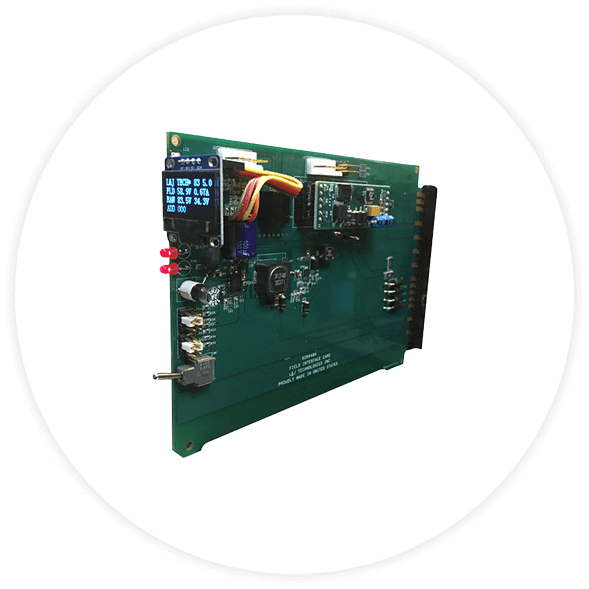
MCG 820063 IFIC – Intelligent Field Interface Card

Choose the MCG 820063 IFIC to upgrade existing field interface racks with intelligent diagnostics, selectable voltage and current, and real-time visibility into field wiring health and device performance.
MCG 3281

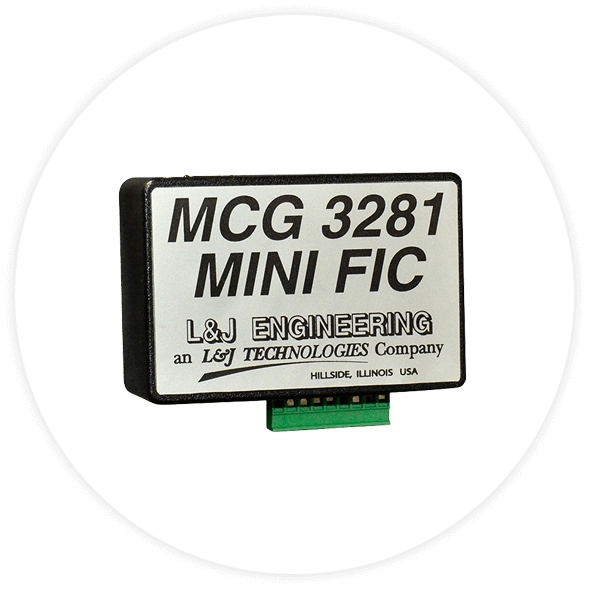
MCG 3281 – Mini Field Interface

Choose the MCG 3281 when you need a compact, cost-effective way to connect a small number of L&J Tankway devices to a host system with full diagnostics and configuration access.
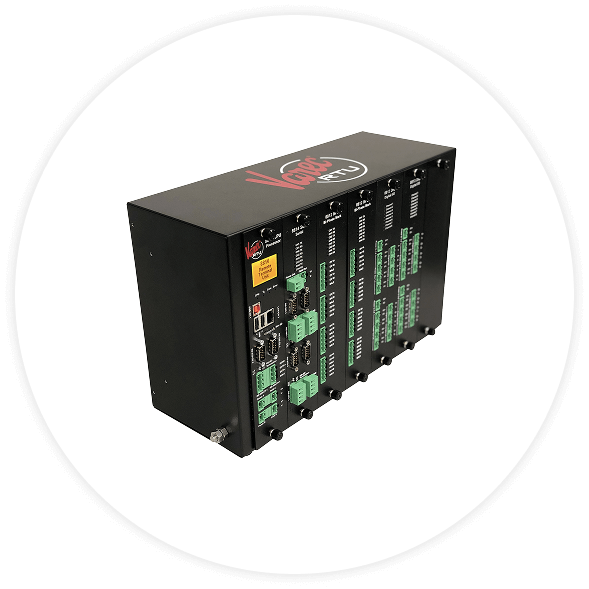
8810 RTU

8810 RTU – Remote Terminal Unit

Choose the 8810 RTU for scalable, Ethernet-based integration of hundreds of tanks and mixed-protocol devices, delivering high-speed data, advanced diagnostics, and secure OPC UA connectivity.
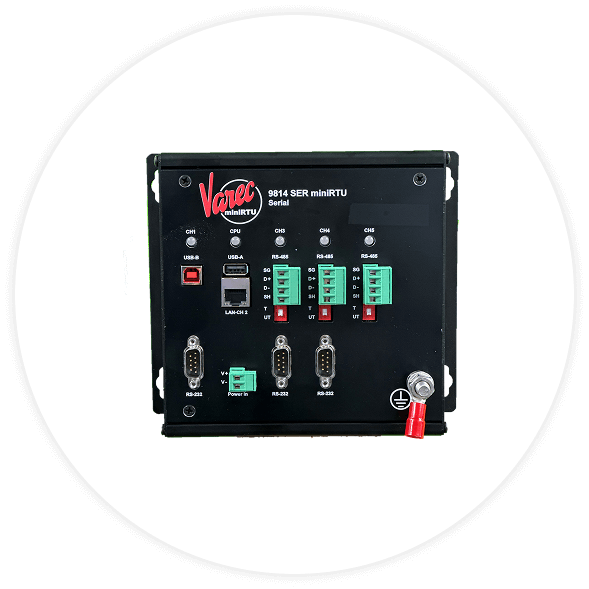
9810 miniRTU

9810 miniRTU – Compact Remote Terminal Unit

Choose the 9810 miniRTU for cost-effective data collection from small to mid-sized tank farms, consolidating multiple gauges into a single Ethernet or Modbus interface with modern protocol support.
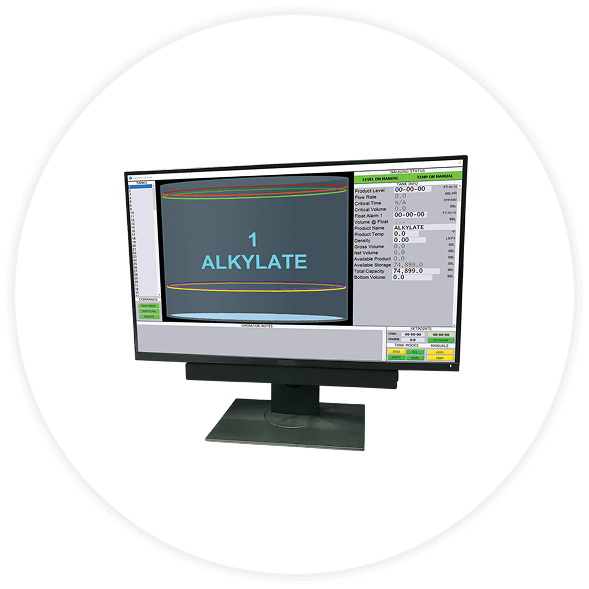
MCG 3905

MCG 3905 WINGauge IMS

Users choose the MCG 3905 for accurate, real-time visibility into tank inventories across complex facilities.

Why Use RTUs, DAQs, Protocol Converters, and Field Interface Tools?

To integrate more instruments with less wiring and less risk.

Field interface hardware provides regulated power, galvanic isolation, and surge protection so that faults in one field loop do not propagate through the system. This isolation is critical in large tank farms where long cable runs, lightning exposure, and mixed-voltage devices are common.

To translate “whatever you have” into “what your host needs.

Protocol converters and RTUs support multiple tank-gauge communication methods, old and new, while presenting a clean, standardized data model to SCADA, DCS, or inventory software. This includes bi-directional communications, allowing hosts not only to read measurements but also to issue commands, initiate diagnostics, and verify instrument health.

To upgrade capability without replacing installed gauges.

Modern RTUs support modular interface architectures, allowing sites to add or change protocol cards as equipment evolves. This makes it possible to extend the life of existing gauges while still enabling Ethernet-based communications, cybersecurity features, and modern inventory software.

In What Applications and Use Cases Are They Used?

Tank farm and terminal inventory systems requiring centralized collection of level, temperature, and alarm data from large numbers of tanks.

Remote or unattended facilities where RTUs provide reliable data acquisition and limited control without continuous operator presence.

SCADA and stand-alone control applications that require deterministic data polling, local buffering, and alarm handling.

Modernization and retrofit projects where legacy gauge protocols must be preserved while new instruments and host systems are introduced.

Multi-vendor environments where a single interface layer simplifies integration across different manufacturers’ tank gauges and transmitters.

Why It Matters in Storage Tank Level-measurement Packages

Adding field interface devices fundamentally improves how tank data is used:

How They Work Together in a Typical System

A common architecture looks like this:

High-capacity RTUs in this layer are designed to scale well beyond a handful of tanks, supporting hundreds of tank connections, multiple host ports, redundant power inputs, and secure Ethernet communications to ensure long-term system viability.

Installation Considerations

Why Cognesense for Field Interface Devices

Cognesense brings together proven integration platforms from L&J Technologies and Varec to address the full spectrum of tank-gauging architectures. From high-density field interface racks that protect and organize field wiring, to compact mini-RTUs, to enterprise-class RTUs capable of supporting hundreds of tanks, these platforms are designed specifically for bulk liquid storage environments.
With modular communications, bi-directional protocol support, secure Ethernet connectivity, and deep integration with inventory software, Cognesense field interface devices allow operators to modernize at their own pace, starting with the instruments they have today and building toward a unified, scalable, and serviceable tank management system for the future.