

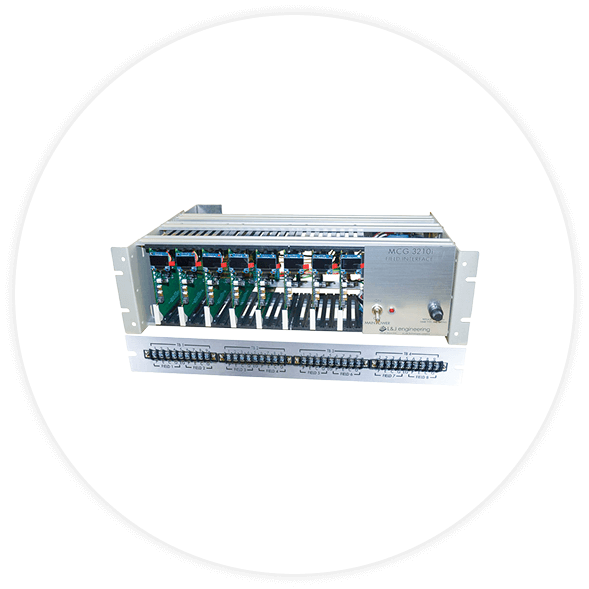
Choose the MCG 3210i to power, isolate, and manage large groups of L&J field devices, improving data security, surge protection, and system reliability across multiple tank fields.
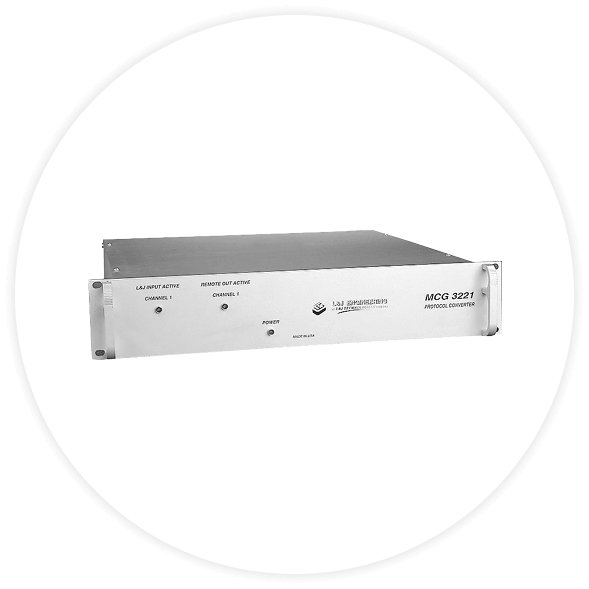
Choose the MCG 3221 to seamlessly connect L&J Tankway field devices to Modbus-based PLCs or DCS systems, enabling bi-directional data exchange without modifying existing control architectures.
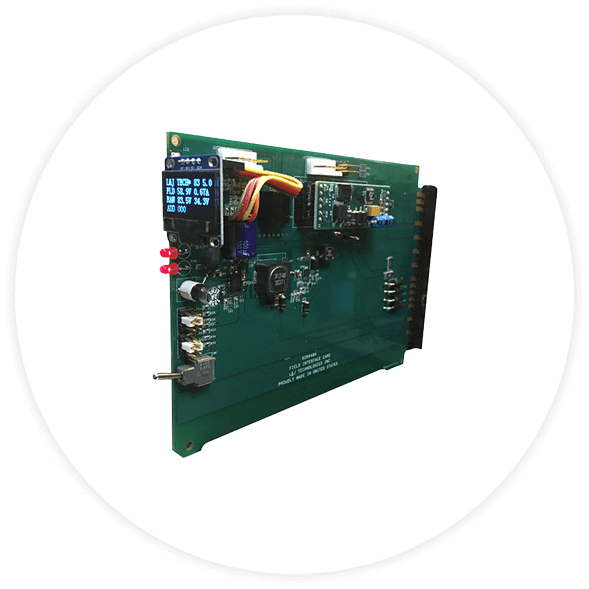
Choose the MCG 820063 IFIC to upgrade existing field interface racks with intelligent diagnostics, selectable voltage and current, and real-time visibility into field wiring health and device performance.
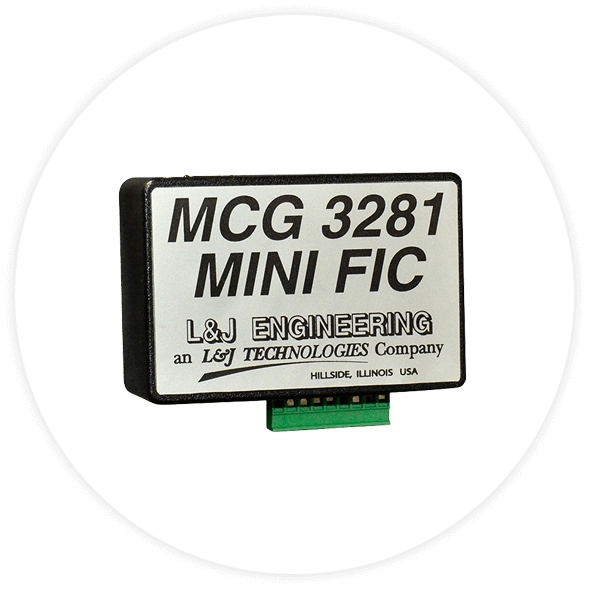
Choose the MCG 3281 when you need a compact, cost-effective way to connect a small number of L&J Tankway devices to a host system with full diagnostics and configuration access.
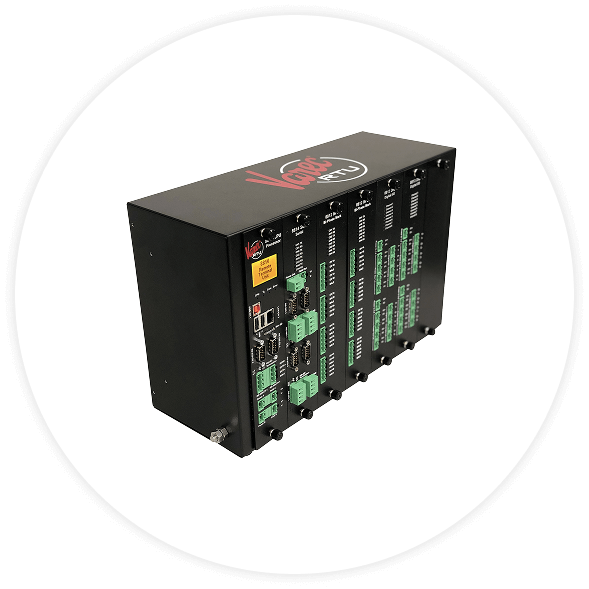
Choose the 8810 RTU for scalable, Ethernet-based integration of hundreds of tanks and mixed-protocol devices, delivering high-speed data, advanced diagnostics, and secure OPC UA connectivity.
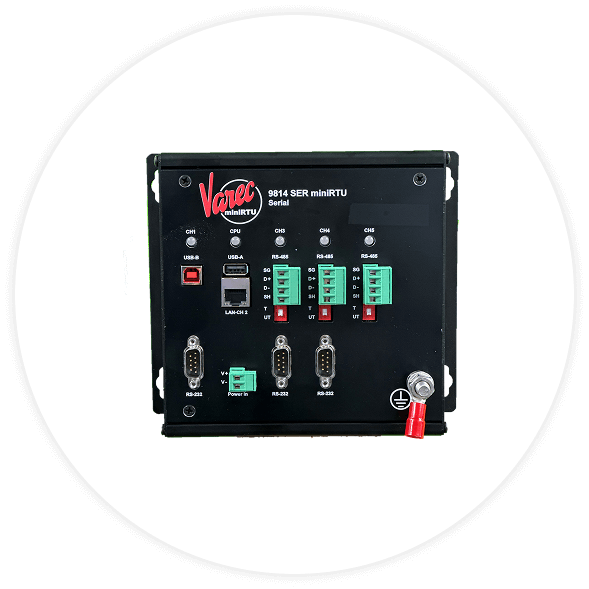
Choose the 9810 miniRTU for cost-effective data collection from small to mid-sized tank farms, consolidating multiple gauges into a single Ethernet or Modbus interface with modern protocol support.
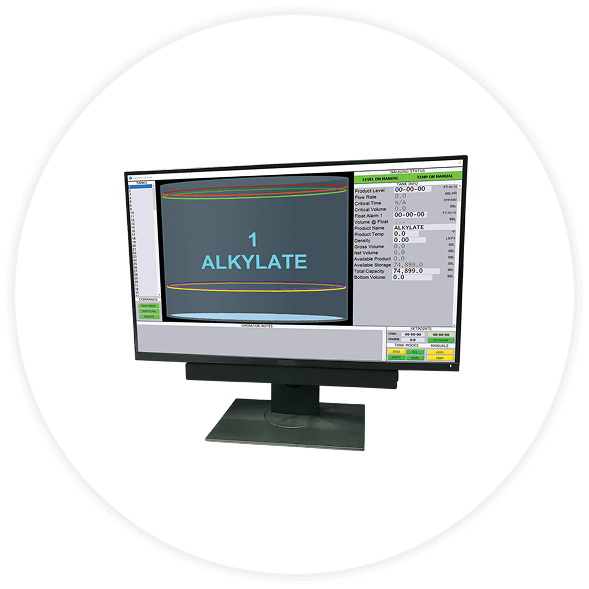
Users choose the MCG 3905 for accurate, real-time visibility into tank inventories across complex facilities.